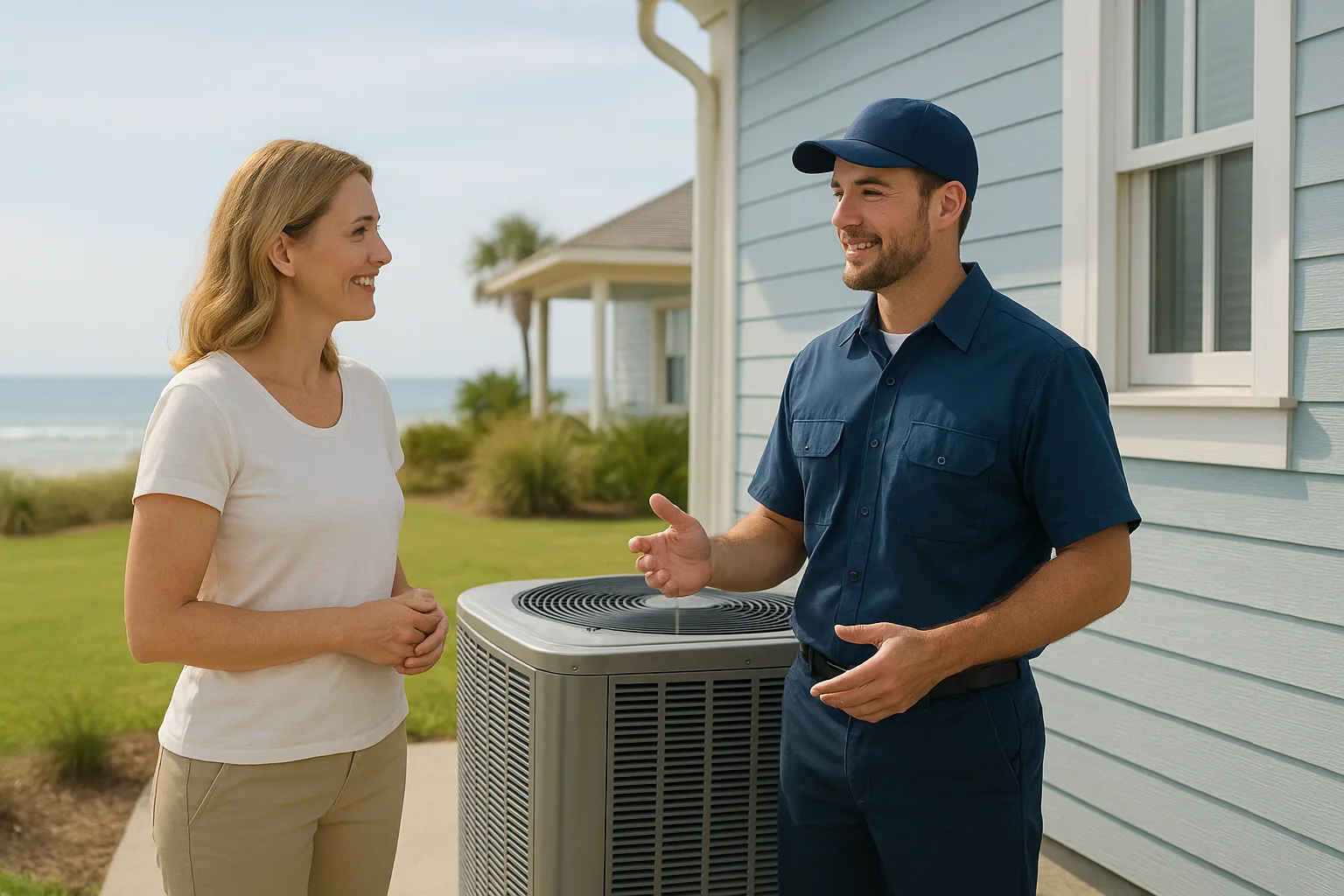
Why AC Problems Hit Fort Walton Beach Homes Hard
In Fort Walton Beach, an air conditioner does more than keep a house comfortable. It helps control humidity, protect indoor air quality, and make summer heat manageable for the whole family. When a system starts acting up, the effects show up fast. Rooms feel sticky, energy bills rise, and the home never quite reaches the temperature you set.
Coastal weather adds extra strain. Salt air corrosion, high humidity, and long cooling seasons can wear down parts faster than many homeowners expect. That is why air conditioner repair Fort Walton Beach services often focus on more than one issue at a time. A small thermostat problem can hide a refrigerant leak. A dirty coil can look like a compressor repair issue. The sooner a problem is diagnosed, the better your chances of avoiding a larger breakdown.
Common Signs You Need AC Repair Fort Walton Beach
Most homeowners notice something is off before the system stops working completely. Paying attention to early warning signs can save time and money.
No cool air or weak airflow
If the system runs but the air coming from the vents is warm or only slightly cool, there may be a refrigerant issue, clogged filter, blocked coil, or a failing component. Weak airflow can also point to duct problems or a blower motor concern.
Uneven cooling from room to room
Uneven cooling is common in homes that have aging equipment, duct leaks, or thermostat problems. If one room feels fine and another stays hot, the system may be struggling to distribute air evenly.
Short cycling or nonstop running
Short cycling means the unit turns on and off too often. Nonstop operation means it cannot satisfy the thermostat. Both can waste energy and put stress on the system. These symptoms often call for professional HVAC repair before the problem grows.
Humidity that never seems to go away
In the Florida Panhandle, humidity control matters just as much as temperature. If your home feels damp even when the AC is running, the system may be undersized, low on refrigerant, or in need of maintenance.
Strange noises or odors
Banging, grinding, rattling, and musty smells are all signs that something is wrong. These may point to loose parts, drainage issues, electrical trouble, or mold-related concerns that affect indoor air quality.
What Coastal Weather Does to Your HVAC System
Homes near the Gulf face unique conditions that can shorten the life of cooling equipment. Salt air corrosion can affect outdoor components, especially when the condenser is exposed to constant coastal moisture. Over time, that corrosion can damage coils, wiring, and fasteners.
High humidity also makes the system work harder. Your AC must remove moisture from the air while cooling it, which increases wear during long stretches of warm weather. Add in frequent use during summer, and even a well-maintained unit may need service sooner than a system in a milder climate.
That is why Gulf Coast AC maintenance is so important. Regular tune-ups help catch small issues before they become expensive repairs. They also support energy savings by helping the system run more efficiently.
Repair Issues Homeowners Often Overlook
Some problems are easy to miss because they seem minor at first. But these smaller issues can lead to major discomfort if ignored.
Thermostat problems
If the thermostat is not reading the temperature correctly, the AC may turn on too soon, too late, or not at all. Sometimes the fix is simple, but inaccurate readings can also signal wiring or control board trouble.
Dirty coils and clogged drains
When coils are dirty, the system cannot transfer heat properly. A clogged condensate drain can lead to leaks, water damage, and shutdowns. Both problems are common during long cooling seasons and should be handled quickly.
Refrigerant leaks
Low refrigerant does not just reduce cooling. It can also damage the compressor if the issue continues. If your home has no cool air, ice on the line, or hissing sounds, it is time for a professional inspection.
Electrical wear
Coastal conditions can be tough on electrical parts. Capacitors, contactors, and wiring may fail after years of heat and moisture exposure. These repairs should always be handled by a trained HVAC contractor.
When Emergency AC Repair Makes Sense
Some situations cannot wait. If your system stops working during a heat wave, if there is a burning smell, if breakers keep tripping, or if a leak is causing water damage, emergency AC repair is the safest next step. Fast service can help protect your home, your comfort, and your system from further damage.
For families with young children, older adults, or pets, losing cooling in a humid Florida home can become more than an inconvenience. In those cases, getting help quickly matters.
Why Professional Diagnosis Matters
It is tempting to guess at the problem and replace a part or two, but AC systems are interconnected. A symptom such as poor airflow may come from the blower, the filter, the ductwork, or even a thermostat setting. A licensed HVAC contractor can inspect the full system, identify the real cause, and recommend the most practical fix.
Professional air conditioning service also helps prevent repeat breakdowns. If one issue is caused by another, the repair should address both. That approach saves homeowners from paying for temporary fixes that do not last.
How Maintenance Helps Prevent Bigger Repairs
Routine care is one of the best ways to extend equipment life and reduce surprise breakdowns. Maintenance can improve airflow, support humidity control, and keep energy use in check. It also gives technicians a chance to spot worn parts before they fail.
For many Fort Walton Beach homeowners, a seasonal tune-up is especially valuable before peak cooling months. Clean coils, clear drains, secure electrical connections, and proper refrigerant levels all help the system perform better when the weather turns hot.
What Homeowners Can Check Before Calling
Before scheduling service, there are a few safe things you can look at:
- Make sure the thermostat is set to cool and the temperature is lower than the current room temperature.
- Check the air filter and replace it if it is dirty.
- Confirm the indoor and outdoor units have power.
- Look for ice buildup, water around the unit, or unusual sounds.
- Note whether the problem is constant or only happens at certain times of day.
If those steps do not solve the issue, professional help is the next move. The more details you can share, the faster a technician can narrow down the cause.
Get Local Help When Your Cooling System Falls Behind
When your home needs reliable air conditioning service, working with a local team familiar with Fort Walton Beach weather makes a difference. AC Conditioner Repair Fort Walton Beach understands the challenges of coastal HVAC systems and can help with AC repair Fort Walton Beach homeowners can trust, including heat pump service, humidity concerns, and emergency AC repair.
If your system is making noise, blowing warm air, or struggling to keep up, call (850) 258-3225 or visit asuperiormechanical.com to schedule service.
Frequently Asked Questions
This usually points to a problem with airflow, refrigerant levels, dirty coils, thermostat settings, or a failing component. A full inspection can identify the real cause.
Salt air can speed up corrosion on outdoor parts, wiring, and coils. Over time, that wear can reduce efficiency and lead to repairs sooner than expected.
Yes, if the system stops working during extreme heat, trips breakers, leaks water, or gives off a burning smell. Those issues can become more serious if left alone.
Yes. If your home feels damp even while the AC is running, there may be an issue with system sizing, airflow, refrigerant, or maintenance needs.
Service Area
Need HVAC Help in Fort Walton Beach?
Call AC Conditioner Repair Fort Walton Beach or request service online.
Request Service